Behind the Art with Candy Vermillion
Rain, Risk & the Art of Waiting It Out
Why artists and promoters sometimes take different approaches when the forecast is uncertain
By Candy Vermillion ·
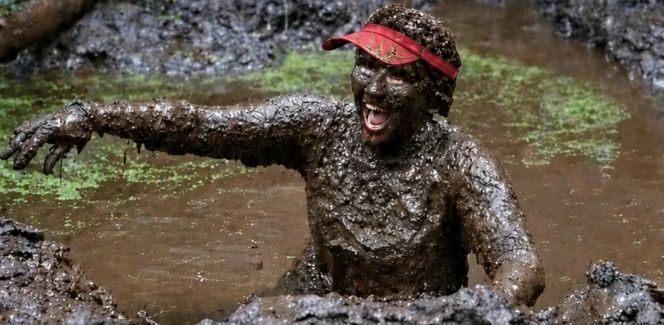
When inclement weather is in the forecast, everyone at an outdoor festival starts watching the sky. Artists weigh the risks to their work and displays; promoters consider the safety of the whole event. Forecasts can be wrong, and there isn’t always one answer that feels right to everyone. That’s why these decisions call for patience, clear communication and respect on all sides.
When the Forecast Is Uncertain
Artists often have different perspectives when the forecast looks uncertain. Some may decide the conditions aren’t right for their artwork, travel plans or comfort, and choose not to set up or to pack up early. Others prefer to wait and see. They remember a rainy—or even snowy—show when visitors still came out and they made worthwhile sales. A determined customer with an umbrella can be a very serious art buyer.
I understand that wait-and-see instinct. I’ve seen shows canceled because snow or rain was predicted, only for the sun to come out and the day to turn out beautifully. I once watched an artist at a Colorado show sell like crazy from under a tarp. Sometimes the weather holds off, the crowd comes out and artists have a terrific day.
But weather can turn quickly, too. A sudden change or an overnight burst of severe weather can be devastating to artwork, displays and equipment. That’s the difficult balance: a forecast may not come true, but rapidly changing conditions can pose real risks.
Promoters often take a wait-and-see approach because weather predictions aren’t always accurate. Cancel too soon, and artists may miss a safe, beautiful day of sales. Wait too long, and artists may already be on the road or have their booths set up when conditions worsen. Promoters must keep monitoring the forecast and actual conditions, consult venue partners and local officials, and share updates as promptly as possible. Waiting means gathering the best information available before making a decision that affects the whole event.
The Promoter’s Responsibility
A promoter’s responsibility is to decide whether the festival itself can safely continue. Rain alone doesn’t always mean a show should be canceled. Concerns may include high winds that could make tents unsafe, lightning, flooding, dangerous travel conditions, extreme temperatures or a venue that can no longer safely accommodate the event. The site, advice from venue partners and local officials, and changes in conditions all matter.
Respecting Each Artist’s Decision
When the festival is open and conditions are considered safe, each artist must decide what’s right for their own work. Artists know their materials, equipment and circumstances best. They may choose to display, protect or pack up their art. Staying open doesn’t mean ignoring the risks; artists may have different setups or feel the opportunity is worth taking. Leaving doesn’t mean they haven’t thought it through.
Our choices can affect the artists around us, too. Before deciding to cancel or leave, it’s considerate to assess the conditions and the actual risks to your work, setup and travel. A sudden empty space or early departure can affect neighboring booths and the experience for visitors. That doesn’t mean anyone should stay when they have a genuine safety concern. It does mean giving the promoter and nearby artists as much notice as reasonably possible.
The Unexpected Reasons
Of course, not every cancellation call comes with a detailed explanation. Over the years, a promoter may hear, “My dog has a cold,” or “My van blew a gasket.” When the same family “emergency” or near-death experience seems to happen to the same individual one too many times, a promoter might privately wonder about the pattern. But we can’t know the full story, and it isn’t our place to assume or accuse. Sometimes the reasons are serious, sometimes unexpected, and sometimes best met with a little humor.
Ultimately, choosing to cancel is the artist’s decision, just as decisions about the festival, booth assignments and future invitations belong to the promoter. Both sides have to make thoughtful business decisions with the information they have. We can respect each other’s choices, communicate as early as possible and remember that we’re all working toward a safe, successful festival and a good experience for everyone who comes.