Behind the Art with Candy Vermillion
The Value of Advertising & Promotion
Why Past Success Is Never Enough
By Candy Vermillion ·
After more than 30 years of producing fine art festivals, one thing I've learned is that a great reputation and an excellent location are tremendous assets, but neither can replace the value of consistent, well-rounded advertising and promotion.
A successful festival doesn't happen simply because it has been successful in the past. Every event requires renewed effort, thoughtful planning, and an ongoing commitment to reaching the right audience.
You cannot rest on your laurels. No matter how successful an event becomes, you have to continue earning that success.
STAYING RELEVANT IN A CHANGING MARKET
The way people discover events, shop for art, and make purchasing decisions continues to evolve.
What worked exceptionally well five or ten years ago may not deliver the same results today. As event producers, we have to recognize those changes and be willing to adjust.
At Vermillion Promotions, we're constantly evaluating where and how we advertise, looking for opportunities to reach broader audiences and introduce new collectors to our festivals.
Our goal isn't simply to bring back the people who attended last year. We want to reach people who have never experienced one of our festivals, introduce them to exceptional artists, and encourage a new generation of art collectors.
That requires more than relying on an established mailing list, no matter how extensive or loyal that list may be.
A mailing list is valuable, but it primarily reaches people who already know you. Growth comes from reaching those who don't.
BALANCING DIGITAL MARKETING WITH PROVEN ADVERTISING
There's no question that digital marketing has transformed the advertising industry.
Social media, targeted digital advertising, online event calendars, search engines, email campaigns, and website visibility have become essential components of a successful marketing strategy.
Digital platforms offer tremendous opportunities to reach specific demographics, target geographic areas, and introduce our events to people whose interests align with fine art, design, collecting, and cultural experiences.
But that doesn't mean traditional advertising has lost its value.
Print publications, magazines, and selected newspapers continue to play an important role in reaching certain audiences.
Some publications have loyal, well-established readerships that closely match the demographics we want to attract. An advertisement in the right publication can be just as valuable as a well-placed digital campaign.
The key is knowing your audience and understanding where they're most likely to see and respond to your message.
I believe the most effective approach is a thoughtful balance of emerging opportunities and proven advertising platforms.
EVERY DETAIL COUNTS
It's always interesting to ask patrons how they heard about the show. You can spend tens of thousands of dollars on advertising, only to have so many people tell you, “We saw your signs!”
That's a reminder of how much every part of the promotional effort matters. A well-placed sign can catch someone's attention, remind them of an advertisement they've already seen, or introduce them to the festival for the first time.
It doesn't mean the other advertising didn't work. People may encounter the event several times before deciding to attend, and the sign may simply be the final reminder that brings them in.
From a major advertising campaign to a sign along the road, every detail counts.
ADVERTISING IS AN INVESTMENT, NOT JUST AN EXPENSE
Producing a quality fine art festival requires a substantial investment long before the first artist arrives.
Advertising and promotion should be among the most important considerations in that investment.
When artists pay to participate in our events, I want them to see evidence that we're putting those dollars to work.
I want our advertising to be visible, our promotions to be consistent, and our efforts to reach well beyond the artists' own customer bases.
That means carefully considering where our advertising dollars are spent and whether those investments are reaching the audiences most likely to attend, appreciate, and purchase original art.
It also means recognizing that advertising to attract attendance isn't necessarily the same as advertising to attract serious art buyers. A large crowd is wonderful, but ultimately, we want to connect artists with patrons who value their work.
That's why reaching art collectors, interior designers, homeowners, and individuals interested in fine art is such an important part of our marketing strategy.
THE IMPORTANCE OF CONSISTENCY
One advertisement, one social media post, or one television appearance rarely accomplishes everything we're trying to achieve.
Successful promotion is built through repetition, visibility, and a consistent message across multiple platforms.
Someone may first see an event advertised in a magazine, later encounter it on social media, and finally decide to attend after seeing a television interview or hearing about it from a friend.
Each encounter helps reinforce awareness and build interest.
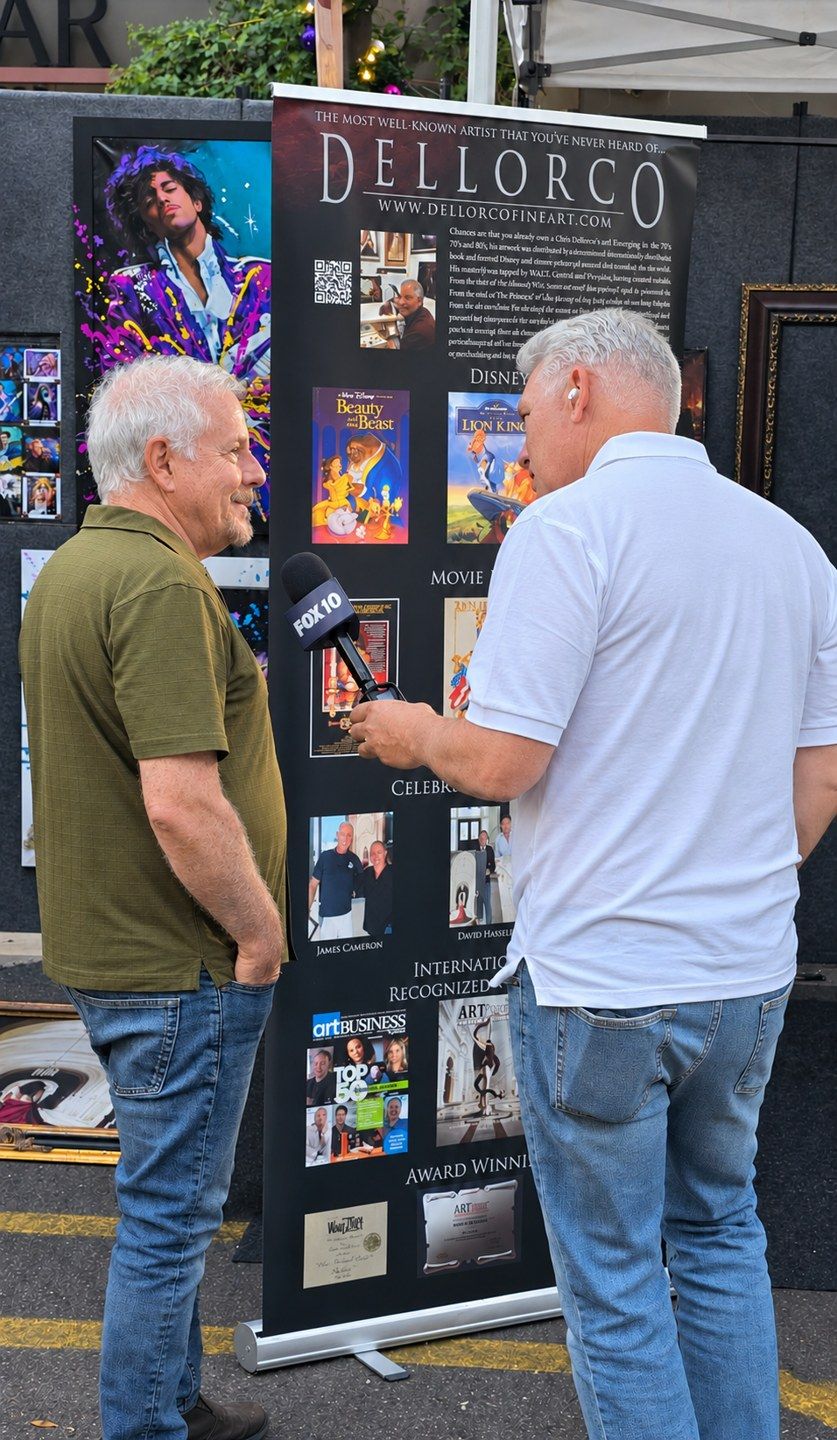
Public relations also plays an important role. Television coverage, newspaper features, artist interviews, and community stories can introduce our festivals to audiences we might not otherwise reach.
And while paid advertising is important, we should never underestimate the value of positive word of mouth.
The experience we create at the festival becomes part of our marketing for the next one.
CONTINUING TO RAISE THE BAR
Our advertising budgets and marketing strategies are never completely static.
We continually evaluate what's working, what needs improvement, and where new opportunities exist.
That may mean shifting more dollars toward digital platforms, investing in a publication that reaches an affluent audience, expanding public relations efforts, or finding new ways to connect with interior designers and collectors.
Not every campaign will perform exactly as anticipated. Some approaches will exceed expectations, while others will need adjusting.
That's simply part of the business.
The important thing is to keep learning, measuring results where possible, and refining our approach.
We also recognize that there are limits to every budget. Effective promotion isn't necessarily about spending the most money. It's about spending wisely, understanding your audience, and maintaining a consistent presence in the marketplace.
SUCCESS MUST BE EARNED AGAIN AND AGAIN
A strong reputation takes years to build, and I'm enormously proud of the reputation we've established.
But I never want to assume that our past accomplishments guarantee future success.
The marketplace is competitive. Audiences have countless entertainment and shopping options, and artists have choices about where to exhibit their work.
We have a responsibility to continue giving them compelling reasons to choose our festivals.
For me, advertising and promotion aren't simply about filling an event with people. They're about creating opportunities for artists, introducing new patrons to the arts, supporting our venue partners, and building events that continue to grow and evolve.
A great reputation may bring people back, but thoughtful, consistent promotion helps bring new people through the door.
And ultimately, it's those new connections—between artists, collectors, and communities—that help ensure a vibrant future for the arts.
We may have produced hundreds of festivals over the years, but we approach each one knowing that its success still has to be earned.
— Candy Vermillion Founder & President, Vermillion Promotions